
National Grief Awareness Day
When you hear the word grief, what is the first image that comes to your mind?
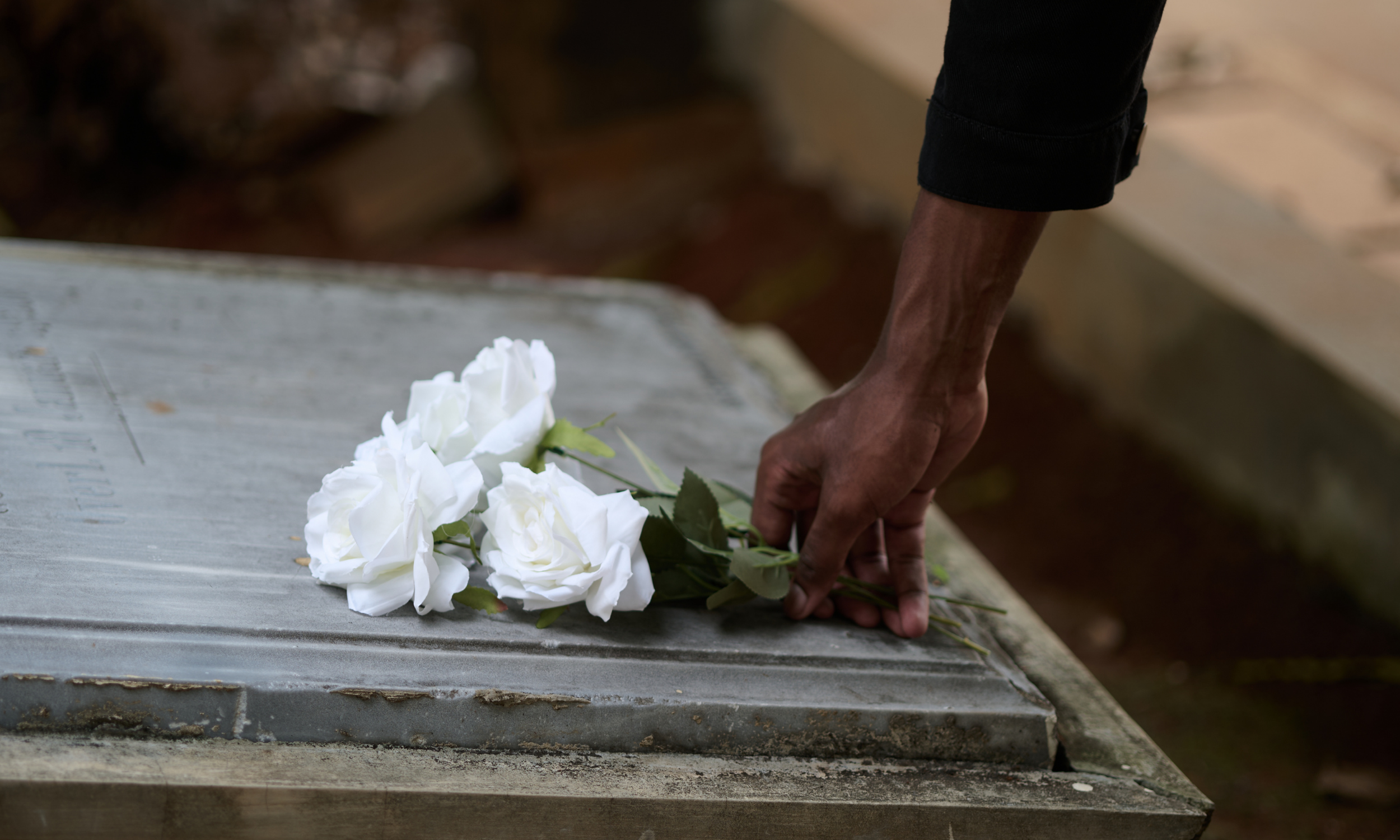
For most of us, our thoughts immediately drift toward the profound sorrow of losing a loved one. We picture funerals, black attire, quiet rooms, and the heavy ache of mourning someone who has passed away. While this is one of the most universally recognized forms of grief, it is not the only one.
As we observe National Grief Awareness Day on August 30th, it is vital to expand our understanding of what grief truly is. Grief is not exclusively reserved for death. It is the natural, human response to any significant loss.
If you are currently carrying a heavy heart due to a job change, a relationship ending, a health diagnosis, a shattered dream, or a major life transition, you might find yourself wondering why you feel so exhausted, sad, or disoriented. You might even catch yourself thinking, "I shouldn't be grieving this: no one died."
That internal voice of doubt can make you feel isolated in your pain. But here is the truth you need to hear right now: Your loss is valid, your grief is real, and you do not have to carry it alone.
What Is Grief Beyond Death? Recognizing Hidden Losses
Grief is the emotional shadow cast by change. Whenever something you deeply value, rely on, or identity with is suddenly removed or altered, your nervous system experiences a shock.
To help you identify if you are experiencing unrecognized grief, consider these common life events that frequently trigger deep mourning:
Career and Professional Loss: Losing a job, experiencing a failed business venture, stepping away from a long-held career, or facing forced retirement can shake your entire sense of purpose and self-worth.
Relationship and Family Changes: Divorce, a painful breakup, estrangement from a family member, or the shifting dynamics of growing children leaving home (empty nest syndrome) bring profound relational grief.
Health and Physical Changes: Receiving a chronic illness diagnosis, recovering from a severe injury, or watching your physical abilities change over time requires mourning the version of your body and life you once had.
Identity and Life Transitions: Moving to a new city, transitioning through different phases of adulthood, or losing the future you had meticulously planned for yourself.
When these losses occur, society often expects us to "bounce back" quickly. Without the traditional rituals surrounding a bereavement, hidden grief often goes unacknowledged by friends, colleagues, and: most dangerously: by ourselves.
You may find yourself irritable, unable to concentrate, struggling with sleep, or feeling a persistent numbness. These are not signs of weakness; they are normal cognitive and emotional reactions to profound change. This cycle can be broken, and healing begins the moment you allow yourself to name what you have lost.
Why Acknowledging Your Grief Matters
One of the most common coping mechanisms when facing pain is avoidance. You might throw yourself into work, keep your schedule relentlessly busy, or tell yourself that staying strong means never crying.
While keeping busy can feel protective in the short term, unexpressed grief does not disappear; it simply goes underground. Over time, buried grief manifests in physical tension, chronic anxiety, depression, and sudden emotional outbursts over seemingly minor inconveniences.
Acknowledging your grief is an act of profound courage. When you stop fighting your emotions and instead invite them into the light, several powerful shifts occur:
You liberate your energy: Fighting your own feelings takes an immense amount of mental bandwidth. When you stop resisting your sorrow, that energy becomes available for healing and rebuilding.
You restore self-trust: Brushing off your pain teaches your brain that your feelings do not matter. Acknowledging your pain validates your lived experience and rebuilds internal trust.
You reconnect with your humanity: Grief is proof that you cared deeply, loved fully, and invested your heart into something meaningful. Embracing grief is ultimately an extension of honoring what mattered to you.
There Is No "Right" Timeline
How long is grief supposed to last? If you have ever asked yourself or a friend this question, you are not alone. Our culture loves quick fixes and neat timelines. We want a five-step program that guarantees we will be "back to normal" in six weeks.
The reality of the human heart is far more complex.
Grief does not move in a straight line. It moves in waves. One day you might feel grounded, hopeful, and entirely at peace, and the next day a random song, a familiar scent, or a quiet moment can pull you right back into the depths of sorrow.
There is no correct timeline for healing. You cannot rush the heart, and comparing your grieving process to someone else's will only add unnecessary pressure. Whether your loss happened three weeks ago or three years ago, your feelings deserve patience, grace, and time.
Simple Ways to Honor Your Grief
While you cannot fast-forward through the grieving process, you can cultivate intentional practices that help you move through it gently. Here are four practical steps you can implement today:
1. Dedicated Journaling
Writing allows your internal thoughts to take physical shape outside your mind. Instead of letting painful emotions loop endlessly in your head, put pen to paper. Write without judgment. Let your journal be a safe space where you can express anger, confusion, sadness, and longing without fear of being judged.
2. Creating Personal Rituals
Rituals help the brain anchor abstract emotional concepts into tangible actions. Light a candle in honor of what you have lost, write a heartfelt letter to the past and safely burn or shred it, or create a quiet moment of reflection each morning with your favorite tea. These small acts acknowledge your pain with dignity.
3. Nature Walks and Somatic Release
Grief is not just a mental experience; it lives in the body. Tension settles in your shoulders, chest, and jaw. Taking a slow, mindful walk through nature allows your nervous system to regulate. Pay attention to the rhythm of your footsteps, the sound of the wind, and the grounding feeling of the earth beneath you. Physical movement helps release stagnant emotional energy.
4. Engaging Creative Expression
Sometimes words are simply not enough to capture the depth of what you feel. Drawing, painting, sculpting, listening to emotive music, or engaging in playful creative outlets can help you process complex emotions that defy verbal description.
How Alive Rehab & Counseling Can Support You
Navigating loss can feel like walking through an unmapped forest alone. You do not have to find your way out by yourself.
At Alive Rehab & Counseling, we take a holistic, integrative approach to mental health and healing. We understand that grief impacts every dimension of your life: your mind, your body, your family dynamics, and your daily sense of purpose.
Our compassionate therapists provide a safe, warm, and empowering environment where you can explore your unique story. Whether you are dealing with the loss of a loved one, navigating a major life transition, or coping with complex trauma and stress, we utilize individualized therapeutic techniques: including talk therapy, expressive arts, and mindfulness-based practices: to help you reconnect with your inner strength.
We also take a collaborative approach to support entire families. Grief rarely affects just one person; it ripples through households, changing how partners, children, and parents relate to one another. We work alongside you to help your family communicate, heal, and rebuild connection together.
You CAN Heal
On this National Grief Awareness Day, let us commit to treating ourselves and one another with greater gentleness and compassion.
Your loss matters. Your pain is valid. And even though the road ahead may feel uncertain right now, you CAN heal, and this cycle of pain can be transformed into profound personal power and clarity.
If you are ready to take the next step toward healing and want a supportive, empathetic partner on your journey, we are here for you.
Reach Out Today
You don't have to carry the weight of loss alone. Contact Alive Rehab & Counseling today to schedule a consultation and learn more about our integrative counseling and therapy services. Let us help you find your way back to hope, purpose, and wholeness.