
Top 10 Playful Ideas to Strengthen Sibling Bonds This April
April is a month of renewal. The flowers are blooming, the air is getting warmer, and there is a sense of "springing forward" in almost every aspect of our lives. But beyond the literal spring cleaning of your closets, April offers a unique opportunity for a different kind of refreshment: your children’s relationships with one another.
With National Siblings Day right around the corner on April 10th, now is the perfect time to focus on the sibling dynamic. Let’s be real: the sibling relationship is often the most enduring, complex, and sometimes frustrating bond a person will ever have. It is a mix of fierce loyalty and equally fierce rivalry. As a parent, you might find yourself constantly playing referee, wishing your kids would just get along.
The good news? You CAN foster a deeper connection between them. It doesn’t have to feel like a chore or a forced "group meeting." Instead, we can use the power of play: a core pillar of what we believe in here at Alive Rehab & Counseling: to bridge the gap. Play is the natural language of children, and when siblings play together, they aren’t just having fun; they are building empathy, practicing conflict resolution, and creating a shared history.
Here are 10 playful, holistic ideas to strengthen sibling bonds this April.
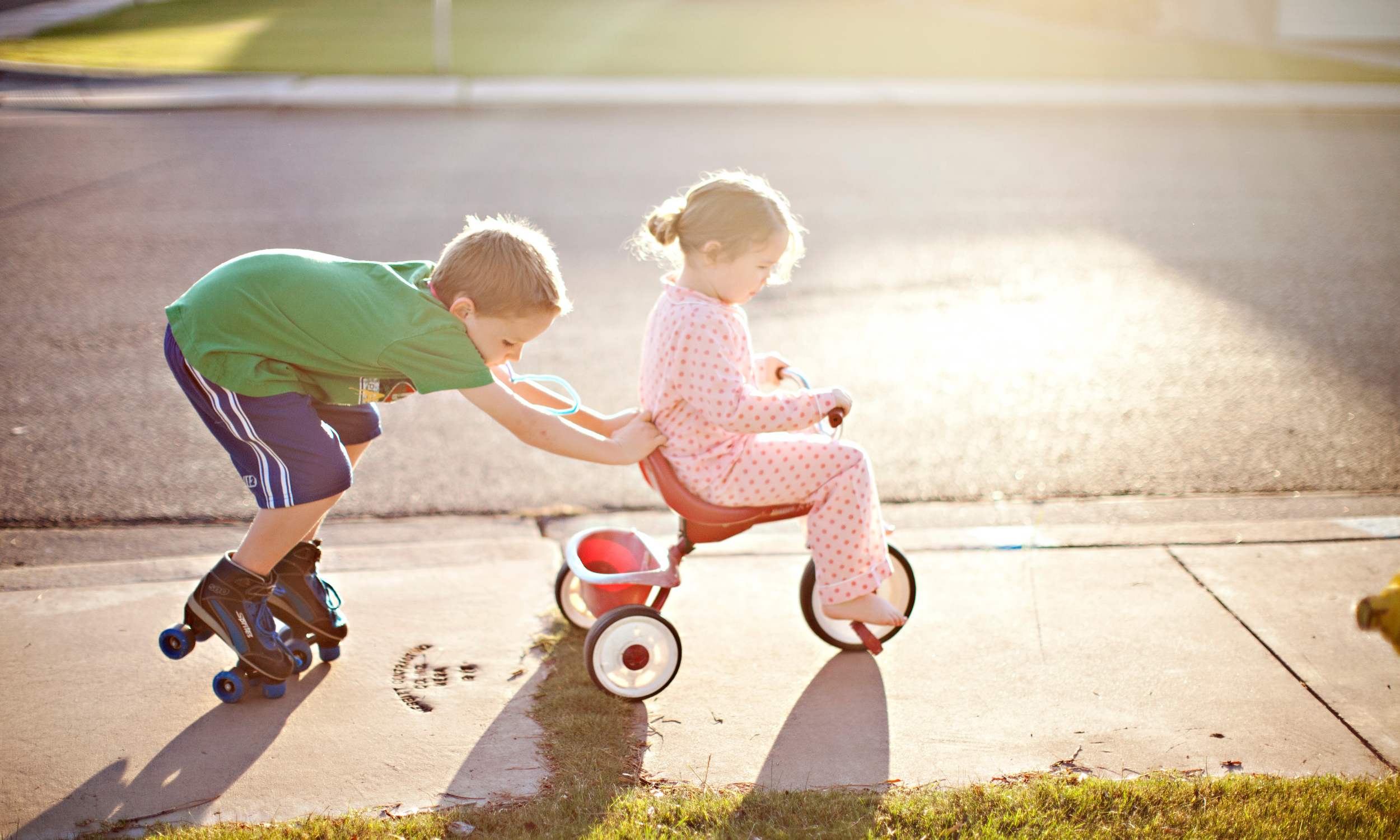
1. The Classic "Floor is Lava" Challenge
There is a reason this game has survived for generations. It requires zero equipment but maximum imagination. To make this a bonding exercise, add a "Rescue Rule." If one sibling gets stuck on a "safe" island (like a couch cushion), the other sibling has to find a way to bridge the gap using a pillow or a blanket to save them.
This game shifts the dynamic from individual play to a survival mission. It forces siblings to communicate, trust each other's physical movements, and work toward a common goal. It’s teamwork at its most chaotic and fun.
2. The Sibling Scavenger Hunt
Instead of a standard scavenger hunt where everyone competes to find items first, create a list that requires two people to solve. For example: "Find something that is both of your favorite colors" or "Find an object that requires two people to carry it."
By making the hunt collaborative, you remove the "winner/loser" sting and replace it with shared victory. If you need more ideas on how to use activities to shift household energy, check out our post on recognizing when routine gets stuck and how to shift it.
3. The Collaborative Masterpiece
Give your kids a massive roll of butcher paper or a giant canvas and tell them they have to create one world together. Maybe it’s a giant map of a fictional land or a mural of their family.
The key here is negotiation. They have to decide where the mountains go, who paints the river, and how the "cities" connect. This is a low-stakes way to practice compromise. If they can decide who gets to use the blue paint first, they are practicing the same skills needed to decide who gets the front seat in the car later. This is a great precursor to more structured family projects, like making family vision boards.
4. Movie Marathon & Fort Building
April weather can be unpredictable. On those rainy spring days, lean into the "cozy" factor. Encourage your kids to build the ultimate "Fortress of Brotherhood/Sisterhood" using every blanket and pillow in the house.
Once the fort is built, have them curate a "Double Feature" where each sibling picks one movie for the other to watch. Sharing interests is a huge part of bonding. It says, "I care about what you like, and I want you to see why I like it."
5. Cooperative Board Games
Most board games are designed around one person winning and everyone else losing. For siblings who struggle with rivalry, this can be a recipe for a meltdown. Switch to cooperative games like Pandemic, Forbidden Island, or Peaceable Kingdom games for younger kids.
In these games, the players are a team playing against the board. If they win, they win together. If they lose, they lose together. This takes the target off the sibling and places it on the "problem" (the game), which is a fantastic metaphor for healthy family dynamics. For more on how to use play to manage stress, read our thoughts on playful problem solving.
6. The DIY Sibling Photoshoot
Hand over your phone or a digital camera and give them a box of props: wigs, old hats, sunglasses, and capes. Tell them their mission is to take "The Most Ridiculous Sibling Portrait in History."
Laughter is a powerful physiological regulator. When siblings laugh together, their nervous systems sync up. They stop seeing each other as threats and start seeing each other as teammates in comedy. Plus, you’ll get some hilarious memories to look back on during the harder days.
7. Nature Walk & "Found Art" Picnic
Spring is the perfect time to get outside and re-energize. Take the siblings to a local trail or even just the backyard. Give them a mission: collect five items from nature that remind them of each other (e.g., "This rock is strong like you," or "This leaf is bright like your smile").
Connecting with nature while connecting with each other is a holistic way to ground the family energy. If you’re looking to refresh your family's mental health goals this season, check out our guide on springing forward and re-energizing your goals.
8. Sibling Trivia Night
How well do they actually know each other? Create a simple trivia game where the questions are all about their sibling. "What is your brother’s secret talent?" "What is the funniest thing your sister ever said?"
This encourages kids to pay attention to one another. It validates their individual identities within the family unit. When a child realizes their sibling knows their favorite ice cream flavor or their biggest fear, it builds a sense of being "seen" and valued.
9. The "Chopped: Sibling Edition" Cook-Off
If your kids are old enough to handle basic kitchen tasks, give them a "mystery basket" of three ingredients and tell them they have to work together to make a snack for the whole family.
Kitchen collaboration is high-level teamwork. They have to delegate tasks: one person washes, one person stirs, one person plates. It mimics the "Sibling Responsibilities" we often talk about but removes the "chore" element and replaces it with creative experimentation.
10. The Reading Fort Ritual
For older and younger sibling pairs, encourage a nightly ritual where the older child reads a book to the younger one inside a blanket fort. This creates a safe, nurturing space.
The act of an older child caring for a younger one’s entertainment fosters a sense of protection and mentorship. For the younger child, it builds a sense of security and admiration. These tiny rituals are what eventually turn into big shifts in the family dynamic.
Why Focus on Play?
You might be wondering, "Why not just talk to them about being nice?" While communication is vital, children (and even many adults!) process emotions and build relationships through action.
In the world of Play Therapy, we see how play allows individuals to "act out" frustrations and resolutions in a safe environment. When siblings play, they are practicing life. They are learning how to say "I’m sorry" without it feeling like a defeat. They are learning how to lead and how to follow.
If you find that your children are stuck in a cycle of high conflict that these activities can't seem to touch, there is no shame in seeking support. Often, a few sessions of family therapy can help unearth the underlying issues causing the friction. You can learn more about how we approach this on our home page or read about how family therapy is often misunderstood.
You CAN Foster Peace
The sibling bond is a garden. It requires sunlight (play), water (communication), and sometimes a little weeding (conflict resolution). This April, as you celebrate National Siblings Day, remember that you aren’t just looking for "quiet" in the house: you are looking for connection.
By introducing these playful ideas, you are giving your children the tools to build a relationship that will last a lifetime. You are teaching them that their sibling is a teammate, a co-creator, and a friend.
Ready to dive deeper into your family’s wellness journey? Explore our Mental Health Resources or reach out to us at Alive Rehab & Counseling to learn more about how we can support your family’s growth. We’re here to help you live a life that feels truly alive.