
Women’s History Month: Celebrating Female Resilience
March is here, and with it comes a dedicated time to look back, look around, and look within. You’ve likely seen the social media tributes and the posters in shop windows celebrating Women’s History Month. But beyond the famous names and historical dates, there is a pulse that beats through every story: resilience.
Resilience isn't just a buzzword. It’s the quiet, steady force that allows you to get back up when the world feels like it’s pushing you down. It’s what allowed women throughout history to fight for a seat at the table, and it’s what allows you to navigate the complexities of your own life today, whether you’re managing a career, raising a family, or simply trying to find a moment of peace in a loud world.
This year, the theme for 2026 is "Leading the Change: Women Shaping A Sustainable Future." While that might sound like it’s only about the environment or big-picture politics, it actually starts much closer to home. It starts with a sustainable you.
Let’s dive into why this month matters for your mental health and how you can tap into that deep well of female resilience that has been built over generations.
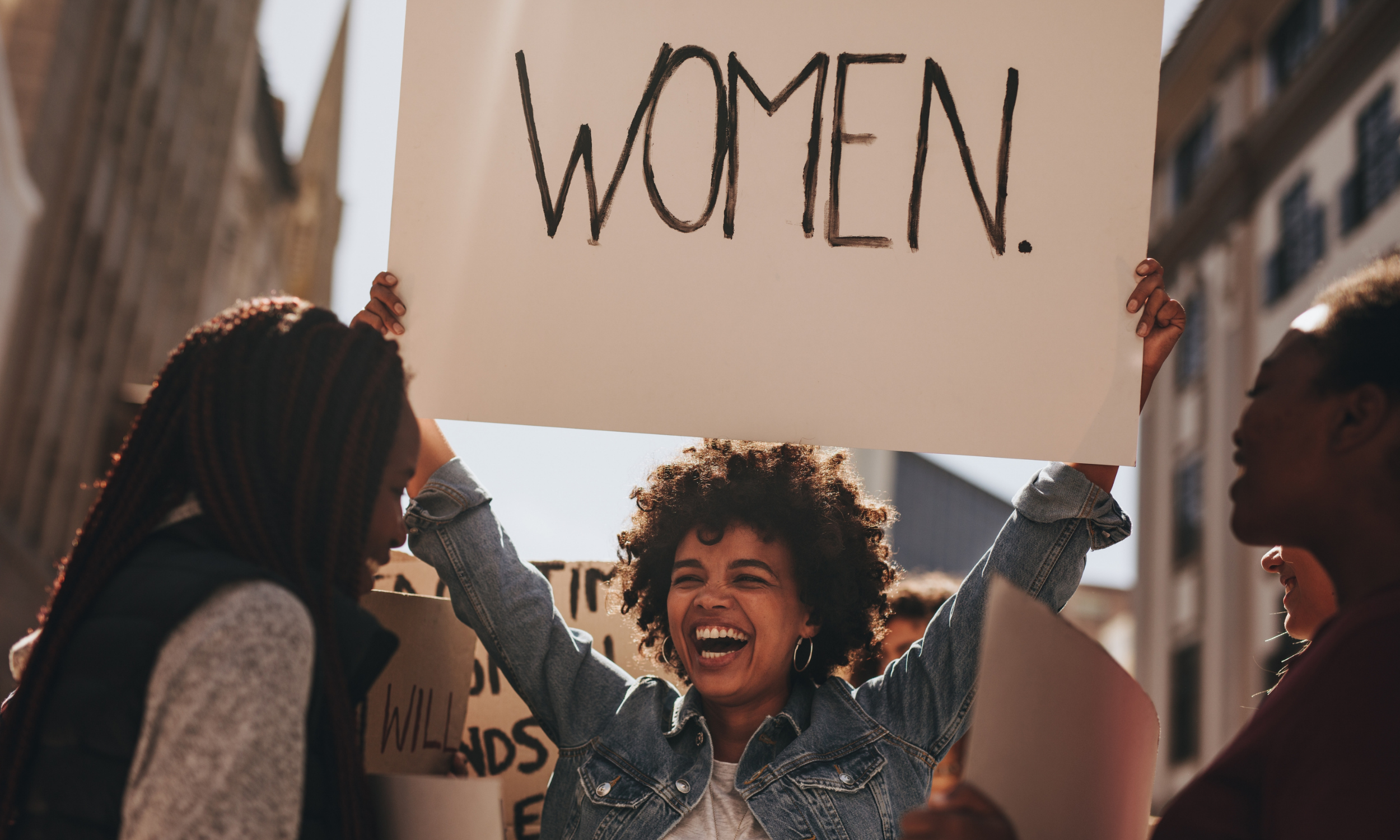
The Roots of Our Strength
When we talk about history, we often focus on the "big" moments. We talk about March 8, 1857, when hundreds of women in New York City garment factories protested for better working conditions. We talk about the grassroots movement in Santa Rosa, California, in 1978 that eventually led to President Jimmy Carter proclaiming the first National Women's History Week in 1980.
But resilience is also found in the gaps between those big dates. It’s found in the sacrifices of grandmothers who worked jobs they didn't like so their daughters could go to school. It’s found in the mothers who navigated systemic barriers with nothing but hope and a stubborn refusal to give up.
Historically, women’s stories were often recorded from a male perspective or omitted entirely. This underrepresentation can make us feel like we are the first ones to struggle or that our personal battles are "small" compared to history. But here is the truth: your resilience is a continuation of theirs. When you recognize the strength of those who came before you, it becomes easier to see the strength within yourself.
Resilience vs. "Just Getting By"
It’s easy to confuse resilience with "toughing it out." You might think that being a resilient woman means you never cry, never break down, and always have everything under control.
Actually, that’s not resilience, that’s just survival mode.
True resilience involves the ability to adapt, heal, and grow through adversity. It’s okay to admit when things are hard. In fact, admitting you’re struggling is often the first step toward actual resilience. If you’ve been feeling like you’re just going through the motions, it might be time for recognizing when routine gets stuck and how to shift it.
Resilience is a muscle. You build it by facing challenges, yes, but also by learning how to recover from them. You can't be resilient if you're constantly running on empty. A sustainable future for yourself means learning how to rest without feeling guilty.
The Pressure to Be "The Strong One"
As a woman, you might feel an immense amount of pressure to be the emotional anchor for everyone around you. You’re the one who remembers the birthdays, handles the school forms, manages the household stress, and still shows up to work with a smile.
This expectation of "strength" can actually be a barrier to mental health. It can lead to burnout, anxiety, and a feeling of profound loneliness. You might think, “If I show a crack, everything will fall apart.”
But even the most famous women in history had their moments of doubt. The difference is they didn't let the doubt stop them permanently. They practiced what we call the science of hope, which is the belief that things can get better and that you have the power to make that happen.
Resilience means knowing when to ask for help. It means realizing that you don’t have to carry the entire world on your shoulders. Sometimes, the most resilient thing you can do is say, "I can't do this alone."
Breaking Generational Cycles
Part of celebrating female resilience is acknowledging the hard parts of our history, including the history within our own families. Many of us come from lineages where resilience was forced by trauma. Maybe you grew up in a home where emotions weren't discussed, or where you had to grow up much faster than you should have.
If you are working on healing from childhood emotional neglect, you are practicing a very high level of resilience. You are deciding that the cycle ends with you. You are choosing to build a "sustainable future" for your own mental health and for the generations that follow you.
This is what it means to lead change. It’s not just about what’s happening in the news; it’s about what’s happening in your living room and in your heart. When you address the impact of how narcissistic parents affect mental health in children or work through past trauma, you are honoring the resilience of women by making yourself whole again.
Practical Ways to Build Your Resilience This Month
You don't need to lead a march to be resilient. You can start small, right where you are. Here are a few ways to cultivate your own strength this Women’s History Month:
Practice Radical Self-Compassion: We are often our own harshest critics. Resilience flourishes in an environment of kindness, not judgment. If you’re struggling to be nice to yourself, check out our guide on practicing self-compassion: the heart of healing.
Set Boundaries: Sustainability is the theme of the year. You cannot sustain your energy if you are saying "yes" to everyone else and "no" to yourself. A boundary is a tool for resilience; it protects your peace so you have the energy to keep going.
Find Your Village: History shows us that women are strongest when they work together. Whether it’s a group of friends, a support group, or family therapy, find people who fill your cup rather than drain it.
Reconnect with Play: We often lose our sense of play as we take on adult responsibilities. But play is essential for a healthy brain. If you're feeling burnt out, consider how play therapy for adults can help you reset.
Acknowledge Your Wins: Take five minutes today to write down three times you were "resilient" this past year. Did you handle a difficult conversation? Did you get through a day when you felt like staying in bed? Did you reach out for help? Those are all victories.
Honoring the Diversity of Resilience
Women’s History Month is for all women. It’s about celebrating the diverse ways we show up in the world. Resilience looks different for everyone. For some, it’s fighting for systemic change. For others, it’s navigating life as a neurodivergent woman in a world not built for them. If you’ve ever wondered what is neurodiversity and how it fits into your story, know that your unique perspective is a vital part of our collective history.
It’s also about how we support each other across different life stages and identities. Whether you are learning how to talk to your young child about the LGBTQIA community or helping a friend navigate a tough divorce, your empathy is a form of strength.
You Are a Part of History
You might not feel like a historical figure. You might feel like someone who is just trying to get through the week. But remember: history is made of "just getting through the week." Every time you choose hope over despair, every time you choose to heal rather than stay stuck, and every time you support another woman, you are adding to the legacy of resilience.
You CAN heal. You CAN break the cycles that don't serve you. You CAN build a life that feels sustainable and joyful.
This March, don't just look at the pictures of women from the past. Look in the mirror. You are the result of thousands of years of resilience. You are enough, you are strong, and you are making history every single day.
Need a partner in your journey toward resilience?
At Alive Rehab & Counseling LLC, we are dedicated to helping women find their voice and reclaim their strength. Whether you’re dealing with anxiety, trauma, or family challenges, we are here to support you. Reach out to us today to learn more about how we can help you lead the change in your own life.