
Play Therapy Techniques for the Family
Do you ever feel like you’re talking to a brick wall when you try to connect with your kids? Or maybe you’ve noticed that your family "discussions" usually end in eye-rolls, heavy sighs, or someone stomping off to their room. If you’ve felt that disconnect, you aren't alone. Sometimes, the traditional way of communicating, sitting down and "talking it out", is exactly what stops the conversation from happening.
At Alive Rehab & Counseling LLC, we believe that healing doesn’t always have to happen through stiff, formal conversations. In fact, some of the biggest breakthroughs happen when you’re sitting on the floor, covered in glitter, or holding a puppet.
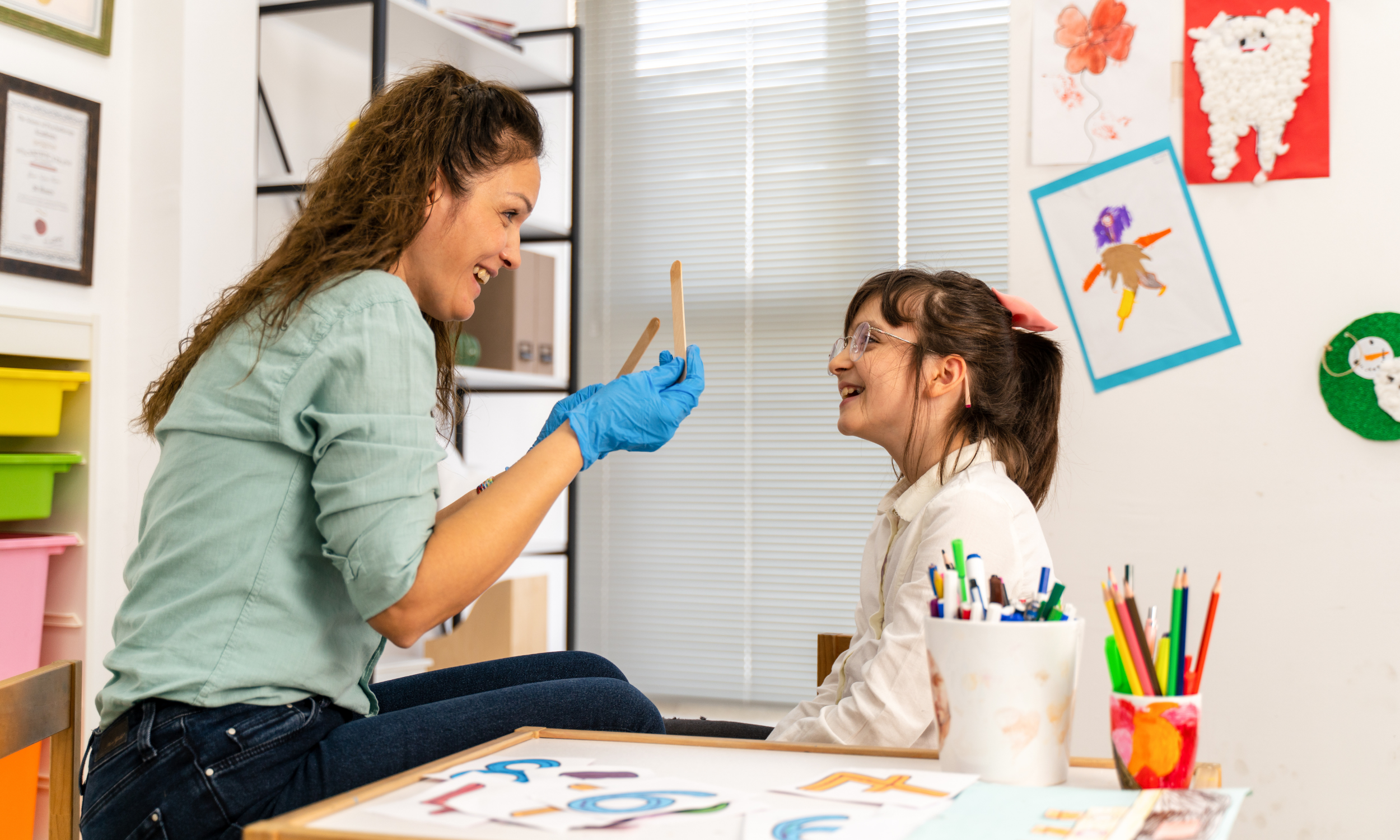
This is the magic of family play therapy. It’s an integrative, holistic approach that bridges the gap between generations. Whether you are dealing with a toddler’s tantrums or a teenager’s withdrawal, play therapy provides a safe, creative language for everyone to express what’s actually going on underneath the surface.
Why Play? (Even for the Adults!)
You might be thinking, "Play therapy sounds great for a five-year-old, but what about me?"
Here is the truth: play is the natural language of the human brain. When we play, our defenses drop. We move out of the "fight or flight" part of our brain and into a state of openness and creativity. For adults, incorporating play into family dynamics is a powerful way to practice self-compassion and break free from the rigid roles we often get stuck in.
When a family plays together, they are co-regulating. They are learning how to be in the same space, share an experience, and solve problems without the pressure of "getting it right." It’s about the process, not the product.
1. The Family Puppet Interview: Giving Voice to the Unspoken
One of the most classic and effective techniques is the Family Puppet Interview.
In this activity, each family member chooses a puppet that represents themselves or another family member. Sometimes, a child might pick a lion for a "scary" dad or a turtle for a "shy" sibling. Then, you act out a typical scene from your house, like getting ready for school or sitting down for dinner.
Why it works:
Safe Distance: It’s much easier for a child (or an adult!) to say "The lion is feeling grumpy today" than to say "I’m scared of Dad when he’s stressed."
Perspective Shifting: You get to see how your family perceives you in a way that isn't confrontational.
Role Play: It allows you to try out new ways of responding to old conflicts in a low-stakes environment.
2. The Family Mural: Painting Your Shared World
Art therapy is a cornerstone of our holistic approach. A Family Mural involves laying out a giant piece of paper and asking everyone to contribute to a single scene. You might choose a theme like "Our Happy Place" or "Our Family Kingdom."
As you draw together, notice the dynamics. Who is taking up the most space? Who is drawing in the corner? Do the different parts of the drawing connect, or is everyone in their own "bubble"?
This technique is a fantastic way to transition into family vision boards as you learn to collaborate on a shared vision for your future. It turns a "me vs. you" mentality into a "we" mentality.
3. The Emotions Ball: Moving Through Feelings
Sometimes, feelings get stuck in our bodies. The Emotions Ball is a simple, high-energy way to get things moving. Take a beach ball and write different emotions on each section (Happy, Sad, Worried, Angry, Excited, Brave).
Toss the ball around. Whatever emotion your thumb lands on, you have to share a time you felt that way.
Pro-tip for parents: This is a golden opportunity to model vulnerability. When you catch "Worried" and share a story about a stressful day at work, you are teaching your kids that big feelings are normal and manageable. You are showing them that even adults have to navigate tough emotions.
4. Sand Tray Therapy: Building a Miniature World
Sand tray therapy is incredibly powerful for both children and adults. Using a tray of sand and a collection of miniatures, animals, people, houses, monsters, trees, you create a "world."
There are no rules here. You can build a battleground, a peaceful garden, or a chaotic mess. For families, creating a joint sand tray can highlight when a routine gets stuck and where the friction points are.
Why it’s effective:
Non-Verbal Expression: It helps family members express complex trauma or deep-seated frustrations that they don't have words for yet.
Sensory Grounding: The feeling of the sand is naturally calming, which helps keep everyone's nervous systems regulated while discussing hard topics.
5. The Squiggle Game: Collaborative Creativity
If you’re looking for a quick way to connect during a busy week, try the Squiggle Game. One person draws a random squiggle on a piece of paper. The next person has to turn that squiggle into a recognizable drawing. Then you switch.
It’s simple, it’s silly, and it forces you to build on someone else's idea. This builds flexibility and "yes-and" thinking, which is essential for playful problem solving in your daily life.
How to Start Using Play Therapy at Home
You don’t need a degree in psychology to start bringing play into your home. You just need a little bit of curiosity and a willingness to be "un-serious" for a while.
Set Aside "Special Time": Even 15 minutes of child-led play where you follow their lead without correcting them can change the tone of your entire week.
Focus on Connection, Not Correction: During play, resist the urge to teach a "lesson" or fix their behavior. Focus purely on being present.
Acknowledge the Awkwardness: If you haven’t played in years, it might feel weird at first. That’s okay! Acknowledge it. "I’m still learning how to be a good puppet-master, bear with me!"
Use it for Transitions: Use play to shift the energy when things feel tense. A quick 30-second dance party or a silly face contest can break a cycle of arguing instantly.
Play Therapy is for YOU, Too
If you are a parent feeling the weight of burnout, play therapy isn't just another chore on your to-do list. It’s a way to reset after burnout. It’s a way to rediscover the joy that often gets buried under the weight of bills, schedules, and responsibilities.
We often hear from parents who are hesitant about family therapy because they think it will just be a room where everyone lists their grievances. But that is one of the 3 ways family therapy is often misunderstood. In reality, family therapy: especially through the lens of play: is about building a toolkit of hope, resilience, and laughter.
You CAN Heal Together
The cycles of silence or shouting in your home can be broken. You have the power to create a new family culture: one where everyone feels seen, heard, and valued. It might start with a tray of sand or a box of crayons, but the impact will last a lifetime.
If you’re ready to dive deeper and see how these techniques can work specifically for your family’s unique needs, we are here to guide you. At Alive Rehab & Counseling LLC, we specialize in helping families find their way back to each other through integrative and creative methods.
Ready to start your family's healing journey?
Contact us today to learn more about our family counseling services and how we can help you build a stronger, more playful bond. Let’s bring your family back to life, one game at a time.