
Slowing Down to Go Forward: Stillness as Self-Care
Let’s be real for a second. When was the last time you sat down: without your phone, without a podcast in your ears, and without a "to-do" list scrolling through your brain like a relentless news ticker: and just... existed?
If the thought of that makes you break out in a cold sweat or feel like you’re "wasting time," welcome to the club. We live in a world that treats busyness like a badge of honor. We’ve been conditioned to believe that if we aren’t constantly grinding, producing, or "leveling up," we’re falling behind. We treat our lives like a high-speed chase, but here’s the kicker: you can’t navigate a map while you’re doing 100 mph.
At Alive Rehab & Counseling LLC, we’re all about the hustle when it’s healthy, but we’re even bigger fans of the strategic pause. Stillness isn't about being lazy. It isn't "doing nothing." In fact, stillness is one of the most productive things you can do for your mental, physical, and emotional health.
It’s time to talk about why slowing down is actually the fastest way to get where you want to go.
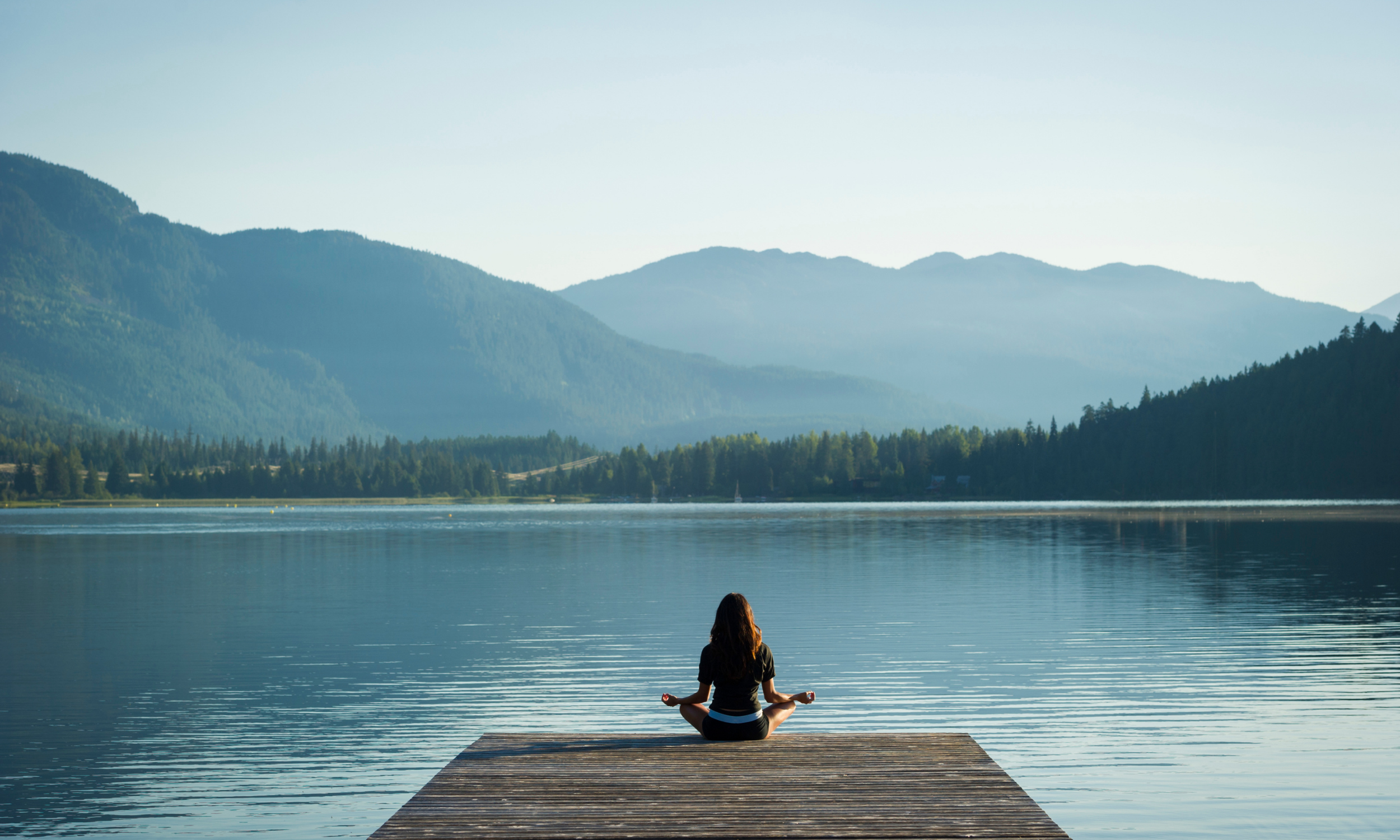
The Myth of Productive Burnout
You’ve probably been there: your eyes are stinging from screen time, your caffeine intake has hit "concerning" levels, and you’re vibrating with a weird mix of exhaustion and anxiety. Yet, you keep going. Why? Because we’ve internalized this idea that "doing" equals "value."
We think that if we stop, the momentum will die. We worry that if we take a breath, the house of cards will come tumbling down. But let’s look at the science for a moment. When you stay in a perpetual state of "go," your body stays stuck in the sympathetic nervous system: also known as fight-or-flight mode. Your cortisol levels spike, your creativity tank hits empty, and your ability to make good decisions evaporates.
When you refuse to slow down, you aren't actually moving forward; you’re just spinning your wheels in the mud. You’re burning fuel, but you aren’t gaining any ground. Stillness is the act of stepping out of the mud, cleaning off the tires, and checking the GPS.
Stillness as Active Restoration
Let’s reframe this: Stillness is active restoration.
Think about your smartphone. You wouldn’t expect it to run for three weeks straight without a charge, right? And you definitely wouldn’t expect it to fix its own software glitches while you’re mid-scroll. It needs to be plugged in, and sometimes, it needs a full reboot.
Your brain works the same way. Stillness allows your "software" to update. It’s the "rest and digest" mode (the parasympathetic nervous system) that allows your heart rate to steady, your muscles to unclench, and your mind to process the millions of bits of information you’ve been throwing at it all day.
When you practice stillness, you aren't "quitting." You are recalibrating. You are giving your brain the space it needs to move from survival mode back into thrive mode.
Why Stillness Feels So Hard (And Why That’s Okay)
If stillness is so good for us, why is it so uncomfortable?
For many of us, the noise of our daily lives serves as a distraction. When we finally get quiet, we start to hear the things we’ve been ignoring: the underlying anxiety, the burnout, the nagging feeling that we aren’t happy in our current routine, or even the grief we haven't processed.
It’s easier to stay busy than to face the quiet. But here’s the empowering truth: You CAN handle what comes up in the quiet.
In fact, facing those thoughts is exactly how you find clarity. At Alive Rehab, we use an integrative, holistic approach to help you navigate those quiet moments. Whether it’s through playful problem solving or exploring how your routines have gotten stuck, we’re here to help you turn that "scary quiet" into a "sacred quiet."
The Physical and Mental Perks of the Pause
Stillness isn't just a "vibe": it’s a biological necessity. When you deliberately slow down, your body responds with a standing ovation.
Mental Clarity & Focus: Have you ever noticed that your best ideas come in the shower or right before you fall asleep? That’s because your brain finally has the "white space" to connect the dots. Stillness clears the mental fog.
Emotional Regulation: When you’re rushing, you’re reactive. You snap at your partner, you get frustrated by a red light, and you feel overwhelmed by small tasks. Stillness gives you the "buffer" to observe your emotions without being controlled by them.
Physical Healing: Lower blood pressure, better sleep, and a boosted immune system. When you stop stressing, your body can finally focus on repair.
Heightened Self-Awareness: Stillness is where you rediscover who you actually are outside of your job title, your family roles, and your "to-do" list.
How to Practice Stillness (Without Losing Your Mind)
You don't need to move to a monastery or spend three hours a day on a meditation cushion to reap the benefits of stillness. In fact, if you try to go from "100 to 0" too fast, you'll probably just get frustrated and quit.
Instead, try incorporating these "sacred pauses" into your existing life:
The Three-Minute Tea: Make a cup of tea (or coffee). For the three minutes it takes to steep or cool, do nothing else. Don't check your phone. Just feel the warmth of the mug and watch the steam.
The Phone-Free Commute: If you’re driving or taking the train, try 10 minutes of silence. No radio, no podcasts. Just let your thoughts drift.
The "Micro-Reset": Between meetings or tasks, sit back and take five deep breaths. Feel your feet on the floor. Acknowledge that you are here, in this moment.
Nature Walks (The Real Kind): Go for a walk but leave the earbuds at home. Listen to the wind, the birds, or even just the sound of your own footsteps. This is practicing self-compassion in its simplest form: giving yourself the gift of your own presence.
Finding Purpose Through Stillness at Alive Rehab
At Alive Rehab & Counseling LLC, we believe that healing isn't just about "fixing" what's broken; it's about expanding what’s possible. Our holistic approach recognizes that your mind, body, and spirit are all on the same team.
Sometimes, moving forward requires a pivot, and you can’t see the turn coming if you’re running too fast. Our play-based therapy for adults and integrative counseling services are designed to help you find the joy in the quiet. We help you peel back the layers of "busy" to find the "you" that’s been waiting underneath.
If you’re feeling stuck in the cycle of constant motion, remember: You aren't a machine. You are a living, breathing human being who requires rest to function. Slowing down isn't a sign of weakness; it’s a sign of wisdom.
Your Next Steps Toward Stillness
If the idea of slowing down feels overwhelming, start tiny. Maybe your stillness today is just taking one extra minute in the car before you head into the house. Maybe it’s refreshing your mindset by setting a "no-phone" boundary for the first 20 minutes of your morning.
Whatever it looks like, know that the stillness is where the healing happens. It’s where you find the energy to spring forward and the clarity to know which direction you should be springing in.
You don't have to do it alone. If you're ready to find your pace and rediscover your purpose, we're here to walk (or sit quietly) with you.
Check out our About page to see how our team can support your journey toward a more intentional, balanced life. Let’s stop the race and start the living.