
Unleashing Your Inner Child: My Radio Conversation on the Power of Play
If you’ve ever tried to sit a seven-year-old down and ask them, "So, how are you feeling?" you probably got one of three responses: a blank stare, a sudden fascination with something across the room, or a full-body cartwheel off the couch.
That’s not because children don’t have feelings. It’s because children often don’t have the words yet to explain what’s happening inside them.
As a Licensed Professional Counselor (LPC) and Registered Play Therapist (RPT) at Alive Rehab & Counseling, this is one of the biggest truths I want families to understand: play is not a distraction from healing. Play is often the way healing begins.
I recently had the opportunity to sit down with the Global Podcast Network for a radio interview to talk about the heart behind my work and why play therapy matters so much. If you’ve ever wondered why your child may open up more through toys, art, storytelling, or imaginative play than through direct conversation, this interview is for you.
You can listen to the full conversation here:
Why Play is the Natural Language of Children
One of the core ideas I shared in the interview is this: play is the natural language of children.
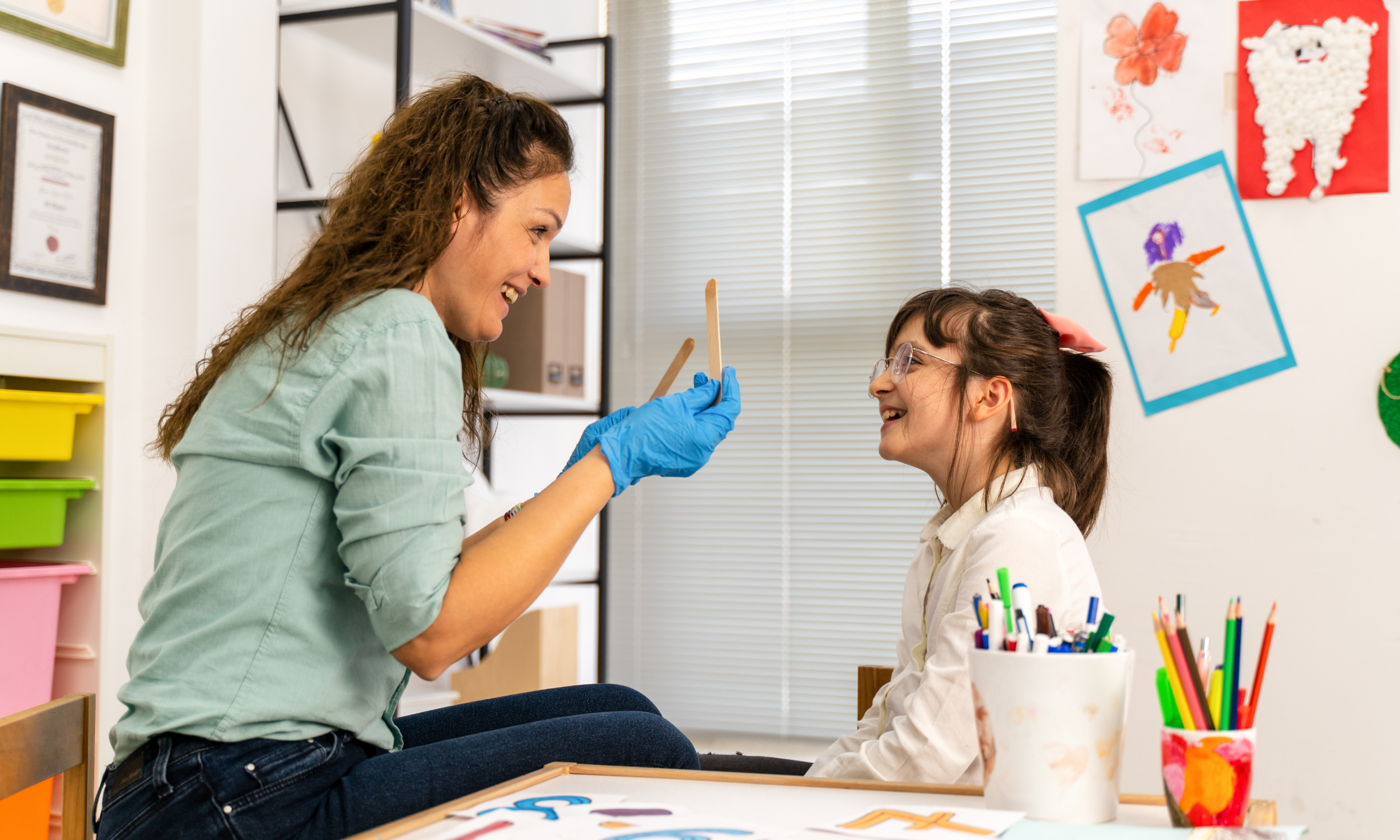
Before a child can clearly name frustration, grief, fear, embarrassment, or anxiety, they often show you what they feel through play. They build. They crash. They hide. They rescue. They repeat stories. They create worlds that help them make sense of the one they’re living in.
To a child, toys can become words. Play can become the conversation.
When a child enters the playroom, I’m not asking them to perform, explain everything perfectly, or come up with adult-sized language for child-sized experiences. I’m giving them a safe space to express what they know, what they feel, and what they may not even fully understand yet.
That’s part of what makes play therapy so powerful. It meets children where they are and helps them process life in a way that feels natural, safe, and meaningful.
Processing the Big Stuff (Without the Big Pressure)
You might be wondering, "Okay, but how does play actually help?"
That’s a fair question. To someone outside the therapy room, it can look like a child is “just playing.” But in reality, there is often deep emotional work happening beneath the surface.
In my interview, I talk about how play therapy helps children process hard experiences in a way that fits their developmental stage. If your child is dealing with anxiety, behavioral changes, family transitions, grief, trauma, or emotional overwhelm, play gives them a way to work through those experiences without the pressure of having to explain everything perfectly.
This playful, holistic approach can help children:
Regulate big emotions: A child who acts out a scary story with animals or action figures may be practicing how to face fear in a safer, more manageable way.
Develop problem-solving skills: Building, experimenting, negotiating, and trying again all support real-life coping and conflict resolution.
Build resilience: In play, there are second chances. A tower falls, and you rebuild. A story changes, and you try again. That matters more than people realize.
If your family feels stuck right now, or if your child is struggling with transitions, emotional outbursts, or shutdowns, I want you to know this: there is nothing “wrong” with your child for needing a different way to communicate. Sometimes healing doesn’t start with more talking. Sometimes it starts with feeling safe enough to play.
It’s Not Just for Kids (Though They Get the Best Toys)
While the interview focuses heavily on children, I also believe the principles behind play, creativity, and expression matter for adults, too. We don’t stop needing imagination, movement, meaning, or safe expression just because we grow up.
If you’re feeling burnt out, disconnected, or emotionally stuck, you may find that play therapy for adults offers a different kind of reset. At Alive Rehab & Counseling, I believe healing can be creative, embodied, and deeply personal at every stage of life.
Building Stronger Connections at Home
One of the biggest messages I hope families take from this interview is that play doesn’t have to stay in the therapy room. You can bring more playfulness into your home, and that can make a real difference in how your family connects.
If you’re dealing with sibling conflict, emotional tension, or the kind of everyday chaos that leaves everyone feeling frustrated, you are not alone. Small moments of shared creativity, laughter, and connection can help lower stress and strengthen relationships over time.
If you want practical ideas, I encourage you to explore these top 10 playful ideas to strengthen sibling bonds. You can also learn more about playful problem-solving and how creativity can shift the energy in your home in meaningful ways.
Why This Work Matters to Me
One thing I want you to hear clearly is this: if you’re seeking help for your child, that does not mean you’ve failed. And it does not mean your child is broken.
It usually means you care deeply. It means you’re paying attention. It means you want support, clarity, and a path forward.
That matters.
My goal is to help children feel understood without forcing them into ways of communicating that don’t fit who they are. Through an integrative approach like play therapy, your child can begin to express themselves on their own terms, and your family can begin moving toward healing with more compassion and less shame.
If that resonates with you, I also encourage you to reflect on the value of practicing self-compassion for yourself as you support your child.
Ready to Hear More?
I’m grateful for the opportunity to share this message beyond the therapy room, because the truth is simple: healing is possible, and sometimes it begins with something as ordinary and powerful as play.
If you haven’t listened to the interview yet, I’d love for you to take a few minutes and hear the conversation for yourself.
👉 Listen to Janell Johnson on the Global Podcast Network
If what I shared resonates with you and you feel like your child, your family, or even you could benefit from a more playful and compassionate approach to healing, support is available. Whether you’re navigating neurodiversity in healing spaces or trying to refresh your mindset, Alive Rehab & Counseling is here to support you.
You CAN heal. Your family CAN find its rhythm again. And sometimes, a small moment of connection is the first step back to yourself.