
Family Game Nights: Bonding Beyond Screens
Do you ever look around your living room and realize that even though everyone is physically present, you’re all miles apart? You’re scrolling through a feed, your teenager is deep into a group chat, and the younger kids are mesmerized by a tablet. It’s a common scene in modern homes, but that digital distance can leave you feeling disconnected and, frankly, a little lonely in your own house.
You want more than just "co-existing." You want connection. You want the kind of belly laughs that make your sides ache and the shared stories that become family legends.
At Alive Rehab & Counseling LLC, we believe that play isn't just "kid stuff." It is a vital, holistic tool for mental health and relationship building. Whether we are working with a child in play therapy or helping an adult rediscover their creative spark, we see the transformative power of play every day.
Family game nights are one of the simplest, most effective ways to bring that therapeutic power into your home. They offer a "digital detox" that allows your family to bond beyond screens and build a foundation of emotional safety and joy.
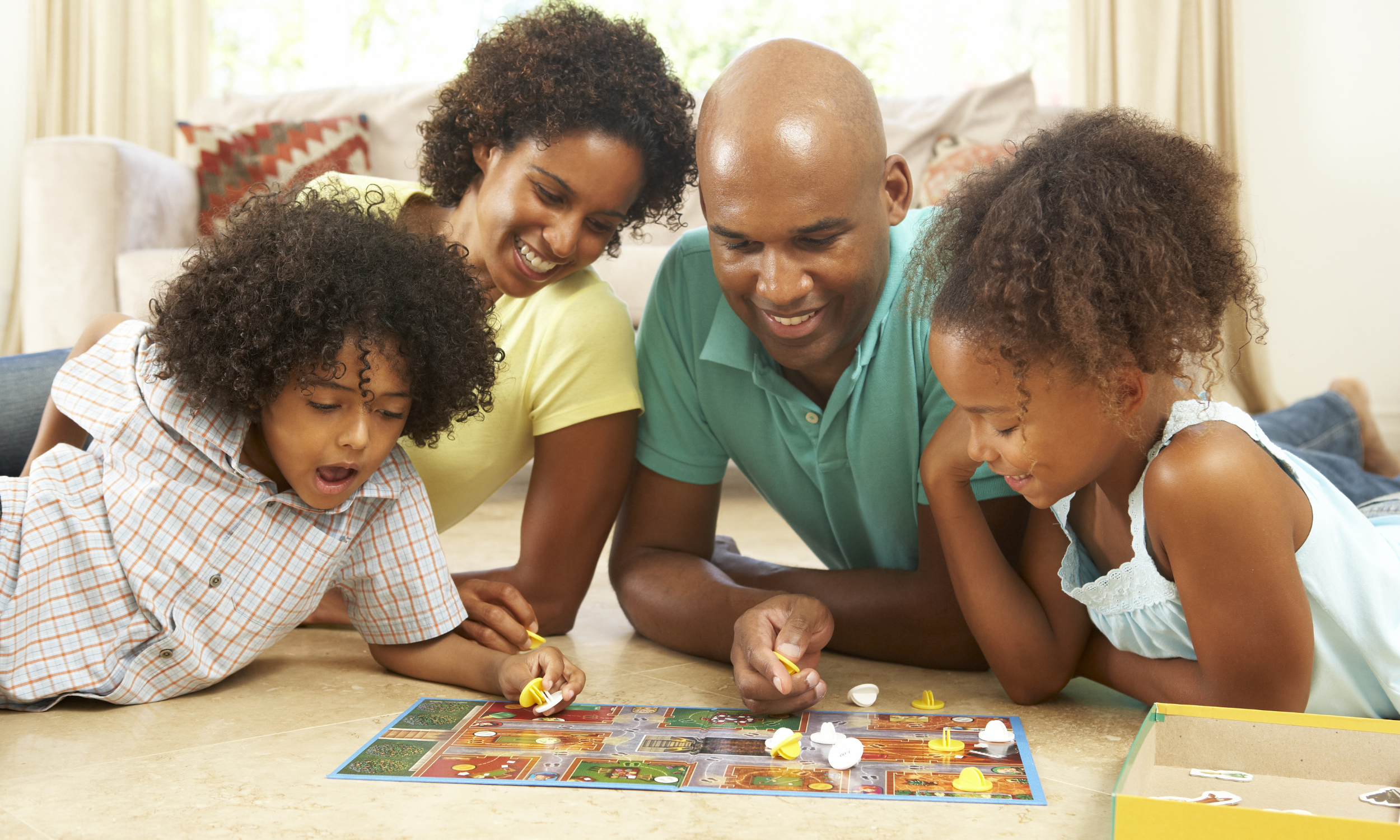
The Science of Why Play Works
It might feel like you’re just moving pieces around a board, but when you engage in a family game night, your brain is doing some heavy lifting. Play is a biological necessity for humans of all ages.
When you play and laugh with your loved ones, your body undergoes a physiological shift. You aren’t just "having fun"; you are literally rewiring your stress response.
1. The "Feel-Good" Cocktail
Laughter and positive social interaction trigger the release of endorphins, your body’s natural feel-good chemicals. You also get a boost of oxytocin: often called the "bonding hormone": which helps increase feelings of trust and empathy. These chemicals naturally counteract cortisol, the hormone responsible for stress. By the end of a game of Charades, your nervous system is likely much more regulated than when you started.
2. Cognitive Growth
Games aren't just about luck. They require strategy, memory, and quick decision-making. For children, this is foundational for brain development. For adults, it’s a way to maintain cognitive flexibility and "exercise" the brain in a way that scrolling through social media simply cannot match. We often discuss how physical health and mental wellness are connected; keeping your brain active through play is a key part of that puzzle.
3. Emotional Regulation
Games provide a "low-stakes" environment to practice big emotions. You learn how to handle the frustration of a "Lose a Turn" card and the excitement of a win. For kids, seeing you lose a game gracefully is one of the most powerful lessons in emotional regulation they can receive.
Playfulness as a Superpower
In our practice, we often talk about the power of play as a way to express your true self. When you’re playing a game, you drop the "manager" or "disciplinarian" hat you wear as a parent. You become a teammate, a competitor, and a fellow human being.
This shift is crucial for your family's mental health. It breaks down the rigid hierarchies that can sometimes cause friction and allows for a more collaborative, playful atmosphere. This is the same approach we take in our integrative counseling: finding ways to help you find purpose and clarity through expression and joy.
Tailoring Game Night for Every Age
One of the biggest hurdles to a successful game night is finding something that works for everyone. You don't want the toddlers to be frustrated, and you definitely don't want the teens to be bored. Here is how you can bridge the gap:
For the Little Ones (Ages 3-7)
At this age, it’s all about the experience, not the outcome. Look for games that focus on:
Cooperation: Cooperative games where the players work together against the "board" are fantastic for reducing "sore loser" meltdowns.
Fine Motor Skills: Games that involve stacking, balancing, or moving small pieces help with physical development.
Short Duration: Keep it under 20 minutes to match their attention span.
For the Middle Years (Ages 8-12)
This is the golden age of board games! Kids this age love:
Strategy: They are starting to understand cause and effect. Simple strategy games allow them to feel clever and capable.
Humor: Games that involve "gross" humor or silly scenarios are usually a huge hit.
Rules: They are often very focused on fairness. This is a great time to model how to follow rules (and how to be flexible when necessary).
For the Teenagers (Ages 13-18)
The goal here is to make it "cool" enough that they actually want to put their phones down.
Social Deduction: Teens often love games where they have to "lie" or figure out who the "traitor" is. It taps into their developing social intelligence.
Fast-Paced Action: High-energy games that require quick reflexes can keep them engaged.
Autonomy: Let them pick the game. Giving them agency makes them much more likely to participate enthusiastically.
For the Adults
Don’t forget that YOU need this too!
Stress Relief: Choose games that aren't too mentally taxing after a long workday.
Nostalgia: Sometimes bringing out a classic game from your own childhood can spark great storytelling and connection.
Creative Expression: Games that involve drawing, acting, or wordplay are great for adults who might feel they’ve lost their "creative spark" in their professional lives.
5 Practical Tips to Make Game Night Stick
You might be thinking, "This sounds great, but my kids will just fight, and I'm too tired." We hear you. Transitioning into a new family ritual takes a little bit of planning, but the payoff is worth it.
Schedule It: Don't wait for "free time": it doesn't exist. Pick a recurring night (e.g., the first Friday of every month) and put it on the calendar.
The "No-Phone" Zone: This applies to you, too! Put all phones in a basket in another room. The world won't end if you're offline for an hour.
Focus on Snacks: Never underestimate the power of a "Taco Bar" or a special treat. Making the night feel like an event increases the buy-in from everyone.
Embrace the Mess: Things might get loud. Someone might get a little grumpy. That’s okay. The goal isn't a perfect, silent game: it's connection.
Rotate the "Game Master": Let a different family member choose the game and the snacks each time. This builds a sense of personal power and responsibility.
Building Personal Power Through Play
At the heart of everything we do at Alive Rehab & Counseling is the goal of empowering you. Life is full of challenges: anxiety, depression, career stress, and the complexities of raising a family. It’s easy to feel like you’re just reacting to the world around you.
But when you sit down for a family game night, you are making a choice. You are choosing connection over isolation. You are choosing laughter over stress. You are building a "resource bank" of positive memories that your family can draw on when times get tough.
You CAN heal the disconnect in your home. You CAN break the cycle of "screen-zombie" evenings. It starts with one deck of cards, one board game, and one intentional hour of your time.
We Are Here to Support Your Family Journey
If you find that your family is struggling with deeper issues: like high-conflict communication, childhood anxiety, or a general sense of being "stuck": know that you don't have to navigate it alone.
Our collaborative approach is designed to support the entire family. Whether you need specialized play therapy for your child or creative therapy to help you find your way back to yourself, we are here to help you build the confidence and clarity you need to thrive.
Ready to take the next step in your family’s wellness journey?
Contact us today to learn more about our counseling services and how we can help you and your loved ones find your way back to a more playful, connected life.